
Road Infrastructure in Cameroon: Key Developments and Opportunities
Cameroon, strategically located in Central Africa, has witnessed significant improvements in its road infrastructure over the past few years. These developments are crucial for boosting trade, economic growth, and the overall quality of life for its citizens. With an expanding network of roads, highways, and bridges, the country is positioning itself as a potential investment hub for both local and international stakeholders.
Overview of Cameroon’s Road Network
Cameroon has a well-established road network that serves as a vital component of the country’s transportation system. The network includes urban roads, rural roads, and major highways linking cities and regions, which are essential for both domestic trade and international commerce.
Primary Roads and Highways
The backbone of Cameroon’s road infrastructure consists of several key highways connecting major cities. Some of the most notable routes include:
-
Douala to Yaoundé Highway: A major dual carriageway linking the economic capital, Douala, to the political capital, Yaoundé.
-
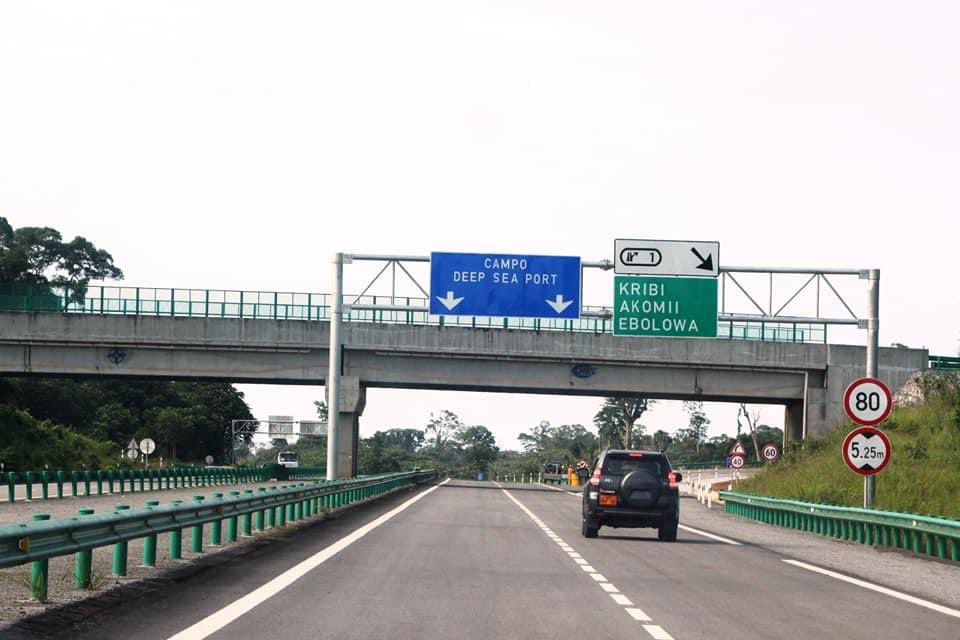
Douala to Kribi Road: An important road for connecting Douala Port to Kribi, a critical port for maritime trade.
These highways are vital for facilitating business transactions and improving the flow of goods, services, and people across regions.
Rural Road Development
While Cameroon’s primary road network is essential, the rural road network plays a crucial role in the agricultural and economic development of the country. Improved rural roads provide better access to markets for farmers, enhancing their livelihoods and contributing to the overall economy.
Importance of Road Access for Rural Communities
Rural communities depend heavily on roads for the transport of goods like crops and livestock. The improvement of rural roads increases the efficiency of transporting goods to urban centers, thereby reducing transport costs and boosting trade.
Challenges to Road Infrastructure in Cameroon
Despite the progress, there are still numerous challenges that hinder the full potential of Cameroon’s road infrastructure:
Poor Road Maintenance
One of the major challenges is the lack of proper maintenance. Many of Cameroon’s roads, particularly in rural areas, suffer from deteriorating conditions due to the absence of regular repairs and upgrades. This affects the economy and the daily lives of the people who rely on these roads for transportation.
Limited Funding for Infrastructure Projects
While the government has made strides in financing infrastructure development, there is still limited funding for the extensive road projects needed to address the growing demand. International partnerships and private investment are crucial in closing this funding gap.
Government Initiatives and Investments
In response to these challenges, the Cameroonian government has made significant investments in its road infrastructure. These efforts aim to modernize the network, improve road safety, and boost the country’s economic potential.
Key Road Projects
Several major road projects are underway, including:
-
The Trans-African Highway Project: Connecting Cameroon to other African countries, facilitating smoother trade across the continent.
-
The Kribi-Douala Bypass: A major road project designed to reduce congestion in Douala, Cameroon’s largest city and main port.
International and Private Sector Partnerships
The Cameroonian government has also partnered with international organizations like the African Development Bank (AfDB) to fund road projects. Additionally, private investors are encouraged to contribute to the development of the country’s road infrastructure, presenting lucrative opportunities for investment.
Opportunities for Investment in Cameroon’s Road Infrastructure
Investors looking to enter the Cameroonian market will find several promising opportunities within the road infrastructure sector. The growing demand for better roads, highways, and transportation solutions presents a unique chance to invest in Cameroon’s development.
Benefits of Investing in Road Infrastructure
-
Growing Market: The increasing need for modern transportation networks presents a growing market for road construction and maintenance services.
-
Government Incentives: The Cameroonian government offers attractive incentives for foreign investors, including tax exemptions and favorable terms for infrastructure projects.
-
Strategic Location: Cameroon’s geographical location at the crossroads of Central Africa makes it an ideal point for investment in infrastructure.
Conclusion
The road infrastructure in Cameroon is a key component of the country’s economic development. While challenges remain, significant opportunities exist for investors looking to play a role in the modernization of Cameroon’s roads and highways. Whether you’re interested in road construction, maintenance, or related services, the road infrastructure sector in Cameroon is one to watch.
If You Want to Invest in Cameroon
For those looking to invest in Cameroon’s road infrastructure or any other sectors, Group Victor can provide expert guidance and assistance. We offer tailored services to help you navigate the investment landscape and ensure your success. Contact us today to learn more about investment opportunities in Cameroon!